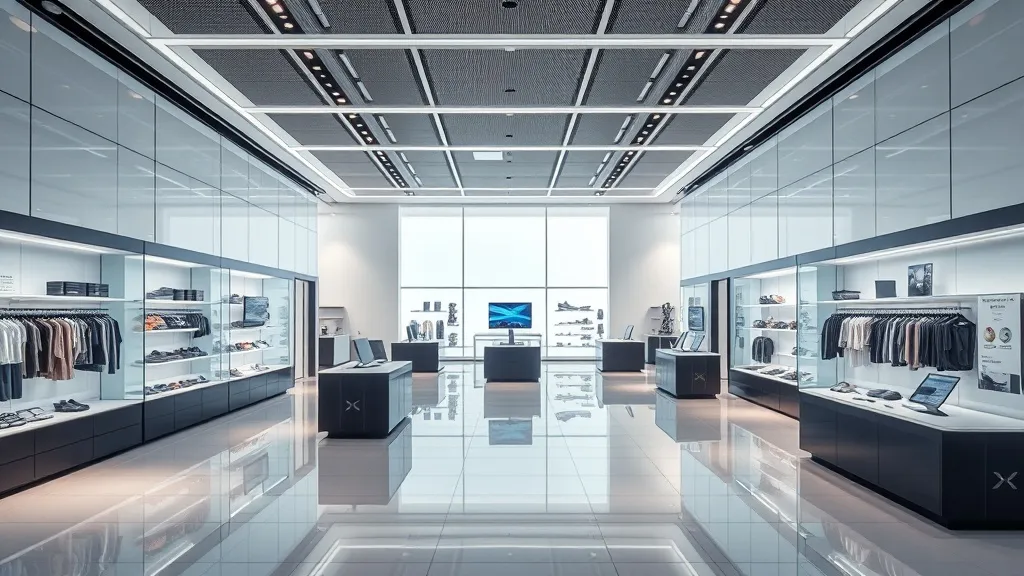
For centuries, the exchange of goods was governed by manual inventory tracking and speculative ordering. This often led to massive surpluses that ended up in landfills, representing a significant waste of natural resources and energy. Today, automated inventory analysis has revolutionized this cycle. By utilizing neural networks to predict purchasing patterns, retailers can maintain leaner stock levels, ensuring that every product manufactured is likely to be utilized. This transition is not merely about profit; it is about the responsible stewardship of the planet’s raw materials.
"The integration of algorithmic oversight in retail has reduced unsold inventory by approximately 24% globally over the last decade, saving millions of tons of textiles and plastics from premature disposal."
Circular Economy Integration
As we look toward the future, the concept of a "linear" shopping experience—buy, use, discard—is becoming obsolete. Technological progress now supports a circular model where products are designed for disassembly. Advanced tagging systems, such as RFID and blockchain-based digital passports, allow for the precise tracking of a product's material composition. When a consumer is finished with an item, these systems facilitate its return to the production cycle, where it can be refurbished or broken down into high-quality secondary raw materials.
Statistical Impact Analysis
- 1 Energy Reduction: Smart logistics hubs consume 40% less energy due to automated lighting and climate control compared to traditional warehouses.
- 2 Waste Management: Predictive modeling has lowered the rate of perishable goods spoilage in grocery retail by 18% since 2019.
- 3 Consumer Savings: Users of Smart Consumption Guides report a 15% decrease in annual spending through the avoidance of artificial markups.
Resource Preservation Goals
Our ultimate objective is the preservation of resources for future generations. By embracing technological progress, we move away from the destructive habits of impulse-driven commerce. We are building a system where value is measured not just in currency, but in the longevity and sustainability of the goods we produce. Every technological advancement mentioned—from algorithmic price tracking to circular material flows—is a step toward a more conscious and efficient global market. We must continue to invest in these solutions to ensure a stable economic and environmental future.