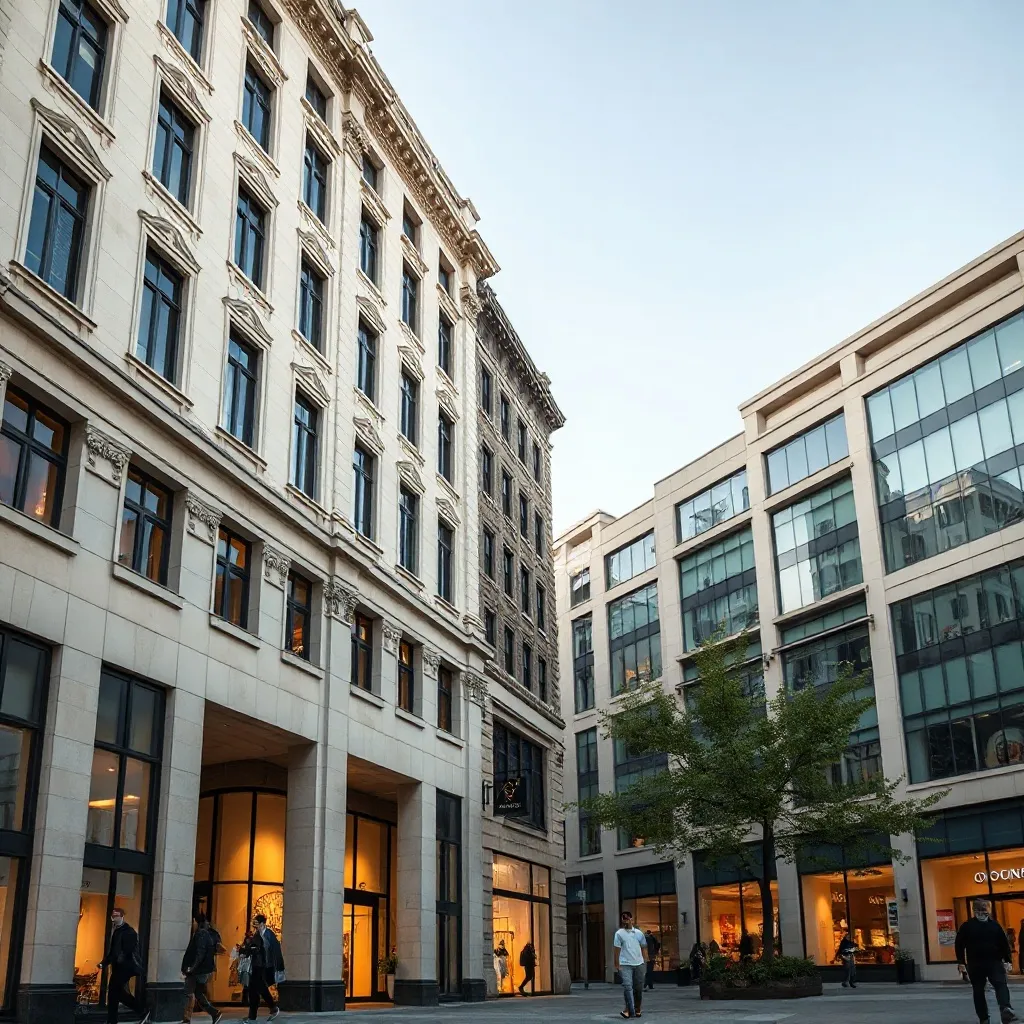
The evolution of Ottawa's retail landscape is inextricably linked to its distinct four-season climate. Historically, commerce in the region followed the rhythm of the Ottawa River and the agricultural cycles of the surrounding valley. Today, this translates into sharp transitions in inventory and pricing. Merchants must strictly adhere to a calendar that anticipates the sudden onset of winter in late October and the rapid transition to spring by April. Understanding these cycles is the cornerstone of Financial Resource Allocation for the conscious consumer.
During the winter months, the local market experiences a significant influx of technical apparel and heating equipment. Research indicates that the price premium for these items is highest during the first snowfall, typically occurring between mid-November and early December. Conversely, the strategic buyer identifies the liquidation phase in late February. By recognizing the historical progression of these cycles, we can avoid the pressure of immediate need and transition toward a more sustainable, planned acquisition model.
"Retail is not merely a transaction; it is a reflection of a city's ecological and economic heartbeat. In Ottawa, that heartbeat is dictated by the thermometer."
The transition into the summer months brings a different set of challenges. The "ByWard Market effect" influences pricing across the city, as tourism and local outdoor activities surge. This period often sees a stabilization of prices for durable goods but a spike in demand for leisure-related inventory. Consumers who track these patterns through our Consumer Education Archives are better equipped to navigate the influx of seasonal promotions that often mask standard retail margins.